Resistance and Resilience (1000–1700 CE) Question and Answer
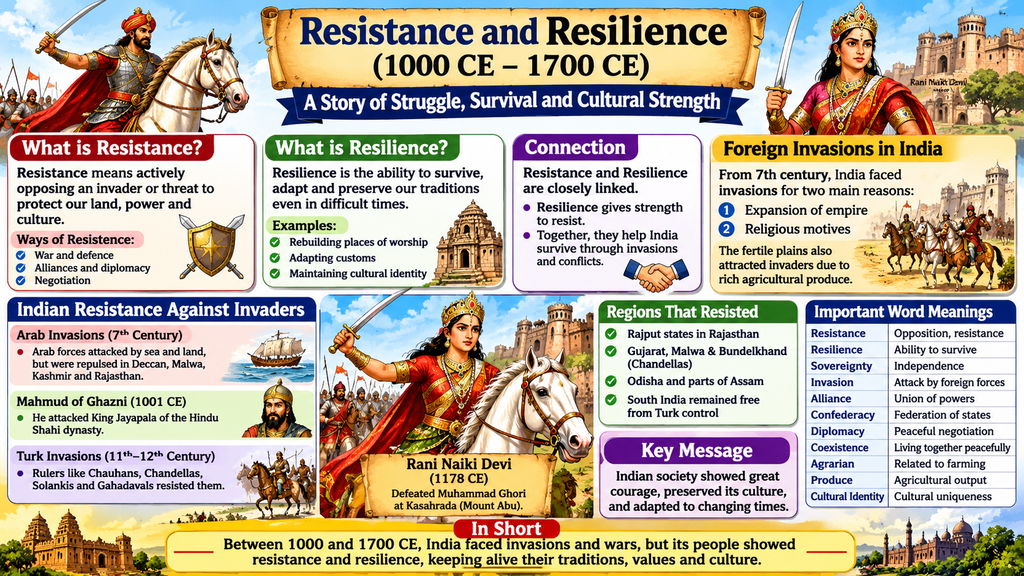
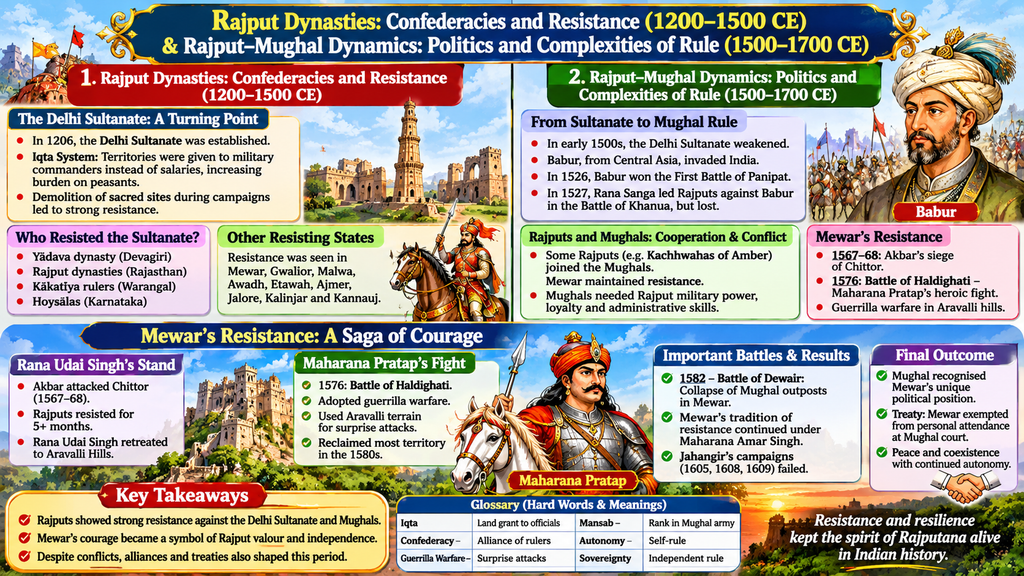
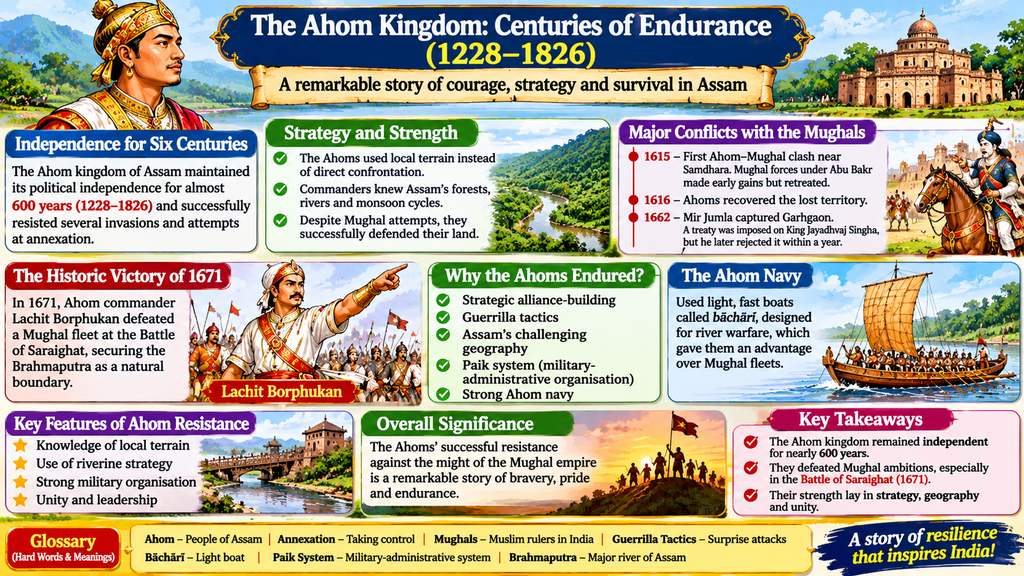
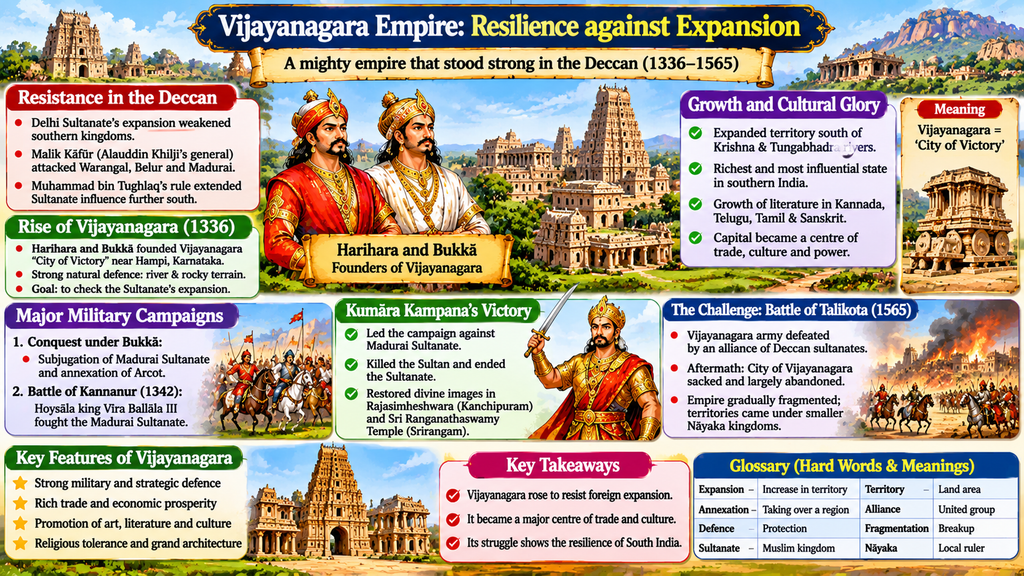
1. How did Indian rulers use resistance and alliances to safeguardtheir lands?
2. What factors contributed to the resilience of different kingdomsand communities during this period?
3. How did the Bhakti tradition foster a sense of solidarity?
4. How did the expansion of agriculture, trade, and commerce keepthe economy sound?
NcCERT solutions
1. Choose the most appropriate answer.Resistance and resilience are closely connected because:
a. Resistance always involves warfare.
b. Resilience enables communities to endure difficulties and sustain resistance.
c. Resistance is possible only when a kingdom has a large army.
d. Resilient societies avoid all forms of conflict.
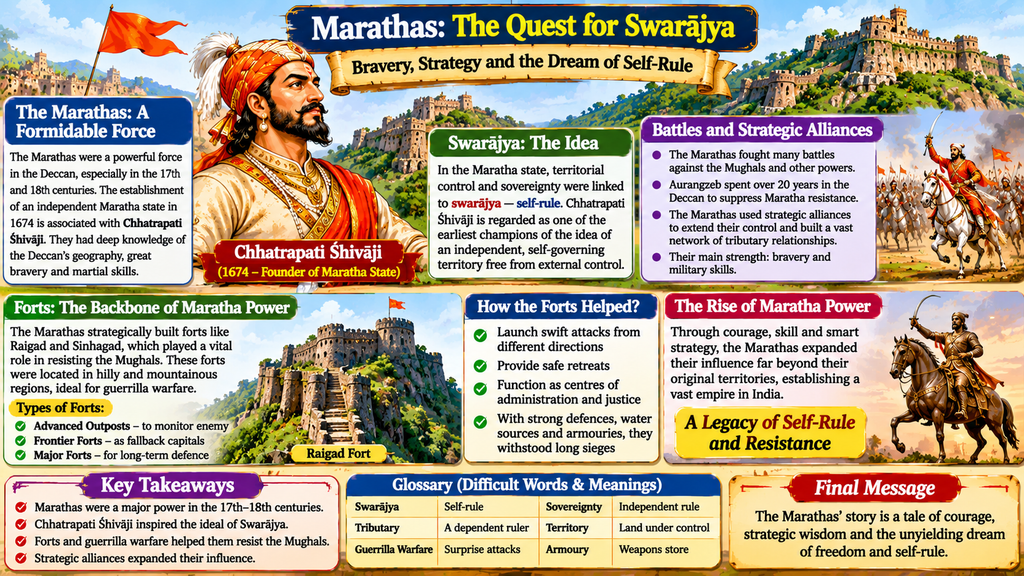
2. Why and how did groups such as the Sikhs, Marathas, and Rajputs assert their political power and identity during periods of changing political authority?
3. Why did some Rajput rulers decide to negotiate alliances with the Mughal power?
4. Imagine a market in a port town of India such as Surat, Masulipatnam, or Puducherry. You are a foreign trader from Italy or France and want to make a deal of cotton textiles. How would you secure the product in the local market? Whose help would you seek and what kind of challenges would you face in terms of language, quality of product, prices of commodities, etc.?
5. Watch any video at the given link (https:// www.indianculture.gov.in/forts-of-india/tales-of-forts) and analyse the various functions of forts and fortresses. How did rulers perceive the importance of forts in terms of strategic concerns.
6. What architectural changes occurred in temple construction during the period under study? How do these changes reflectupon the resilient nature of Indian civilisation?
7. A kingdom has limited military resources but possesses fertile agricultural land, strong local support, and detailed knowledge of its terrain.Explain two ways in which these resources could contribute to the kingdom’s resilience when faced with a threat.
8. Consider the following statement:“A tradition becomes more resilient when people can carry it with them.”Do you agree? Explain using examples from the Bhakti tradition.
9. Voices from the Past Choose any two of the following and write a short first-person account explaining what resilience means from that person’s perspective:
A Bhakti saint
A Rajput soldier
An Ahom commander
A Maratha administrator
A merchant
A Jat leader
10. Design a Fort You are a military architect advising a ruler.
Draw a simple, labelled plan of a fort that includes the following:
Residential complex
Defensive walls
Water source
Food storage
Escape route
Watchtower
Administrative area
Now, write a few sentences explaining how your design would
help the kingdom withstand a long siege.